The short answer
On a forward mortgage, loan-to-value is the loan amount divided by the home value, and programs often publish a maximum. On a HECM, the comparable idea is the principal limit: maximum claim amount times a factor from HUD's table. The factor is chosen with the youngest borrower's age and the expected rate. After that, costs and liens still come out.
For illustration only
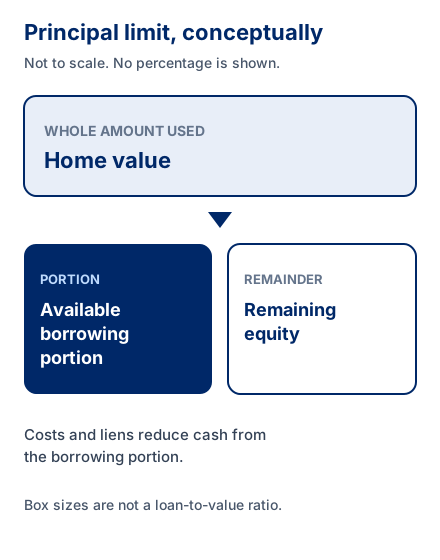
Why a fixed percentage does not work
A chart that said "reverse mortgage LTV is X%" would be wrong for the next borrower. Someone who is 62 and someone who is much older are not in the same row of the table. A higher expected rate moves the column. The home value used in the math may also be capped by the HECM maximum claim amount, so the factor is not applied to every dollar of a high appraisal.
That is why the borrowing guide talks about a principal limit, and why the equity guide separates gross equity from proceeds.
What the factor uses
- Age of the youngest borrower, who must be at least 62 for a HECM.
- Expected rate, rounded down to the nearest one-eighth of a percent in this site's calculator.
- The lesser of appraised value and the maximum claim amount, which the factor multiplies.
The age requirements explain whose birthday counts. They do not include a payout percentage.
Remaining equity is not a leftover check
The part of the home's value that you do not borrow on day one is still tied up in the house. You keep title. The loan balance grows with interest and mortgage insurance. Heirs later deal with the balance, not with a frozen picture of today's equity. The overview explains when the loan becomes due.
Where to estimate
The reverse mortgage calculator applies the factor to the value and rate you enter. Use it when you want a number. Use this page when you want to know why two online "LTV" articles disagree.
Last updated 2026-10-01. This content is for education. It is not legal, tax, or financial advice and is not a commitment to lend.