
What Counts as a First-Time Home Buyer Program?
First-time home buyer programs are a mix of mortgage products, grants, and educational resources designed to reduce upfront cash, improve approval odds, or simplify the path to your first home. In practice, most buyers combine a loan program (for example FHA, VA, USDA, or low-down conventional) with optional down payment or closing cost help from a state housing agency, county program, or employer benefit when available.
If you want a full walkthrough of budgeting, timelines, and closing day, start with our Ultimate First-Time Homebuyer Guide. When you are ready to compare loan structures side by side, use our Mortgage Loan Options hub to see how programs differ on down payment, credit, and monthly cost.
Government-Backed Loan Programs Buyers Use Most
These programs are not “grants” by themselves, but they are often the backbone of a first purchase because they set clear rules for down payment, mortgage insurance, and credit overlays.
- FHA: Popular when you want a smaller down payment and flexible credit guidelines on a primary residence. Mortgage insurance is required for most loans, so compare total monthly cost, not only the rate.
- VA: For eligible veterans and service members, VA can offer $0 down and no monthly PMI, which can materially change affordability. Eligibility and entitlement are verified early in the process.
- USDA: For eligible rural and suburban properties and income-qualified buyers, USDA can offer $0 down with its own guarantee fee structure. Property and income eligibility are program-specific.
The fastest way to see how these stack up against conventional and specialty products is the interactive comparison on nationalmortgagecenter.com/loan-options, then confirm what you qualify for with a federally registered mortgage loan originator.
Conventional First-Time Buyer Paths (Often 3% Down)
Conventional loans are not government-insured like FHA or VA, but many first-time buyers still choose them when credit and savings line up with agency guidelines. A common goal is predictable PMI removal once you reach enough equity, which can be attractive if you plan to stay in the home long term.
If you are weighing FHA versus conventional, pair this article with the program summaries on our loan options page and the budgeting section of the first-time buyer guide so you compare cash to close and monthly payment on the same purchase price.
Down Payment Assistance and Local First-Time Programs
Beyond the mortgage itself, many states, cities, and housing finance agencies offer grants, forgivable second liens, or deferred-payment assistance for qualified first-time buyers. These programs often layer on top of an approved first mortgage rather than replacing it, which means timing, investor rules, and disclosure requirements matter.
When researching assistance, capture four details early: eligibility (income, location, first-time definition), whether help is a grant or a repayable second lien, compatible loan types, and any recapture or occupancy rules. Your loan officer can help you map those rules to your pre-approval so you do not fall in love with a home that is outside program boundaries.
Employer, Nonprofit, and Specialized Purchase Options
Some buyers qualify for employer-assisted housing benefits, locally administered nonprofit funds, or specialized purchase channels that target specific professions or communities. Availability changes by market, so treat these as a supplement to your primary mortgage strategy, not a substitute for solid credit, documented income, and a realistic payment plan.
How to Apply Without Overcomplicating the Process
- Clarify your timeline and budget using the tools and checklists in the first-time homebuyer guide.
- Pick two loan archetypes to compare first (for example FHA vs. 3% conventional) using loan options as your reference.
- Get pre-qualified with complete, consistent information so your payment and cash-to-close estimates stay stable as you shop.
- Layer assistance last once your base loan structure is clear, so you avoid mismatched program combinations.
First-Time Home Buyer Programs FAQ
Do I have to be a “true” first-time buyer to use these programs?
Many assistance programs use a specific definition (for example, no ownership in the last three years), while some loan features are simply marketed to first-time buyers but may be available to other purchasers. Always confirm the exact definition on the program you want to use.
Can I combine down payment help with FHA or conventional financing?
Often yes, but only when the first mortgage investor, the assistance provider, and the property transaction structure all align. That is why early planning with your lender matters.
Where should I start if I only have time for two pages?
Read the first-time homebuyer guide for process and costs, then compare programs on loan options before you request a personalized quote.
Ready to Match a Program to Your Scenario?
Share your timeline, target payment, and savings plan on our Get Started flow so we can help you compare realistic loan and assistance combinations—without guesswork.
National Mortgage Center is powered by Stride Bank, N.A., NMLS #466690. Not affiliated with any government agency. Program availability, income limits, and credit requirements vary; all loans are subject to underwriting approval. This article is not a credit decision.
Ready to Explore Your Mortgage Options?
Talk with National Mortgage Center for personalized mortgage guidance and a fast, clear pre-qualification path.

Jason O'Donnell
Mortgage Analytics Manager
National Mortgage Center
Related Articles
Housing Market
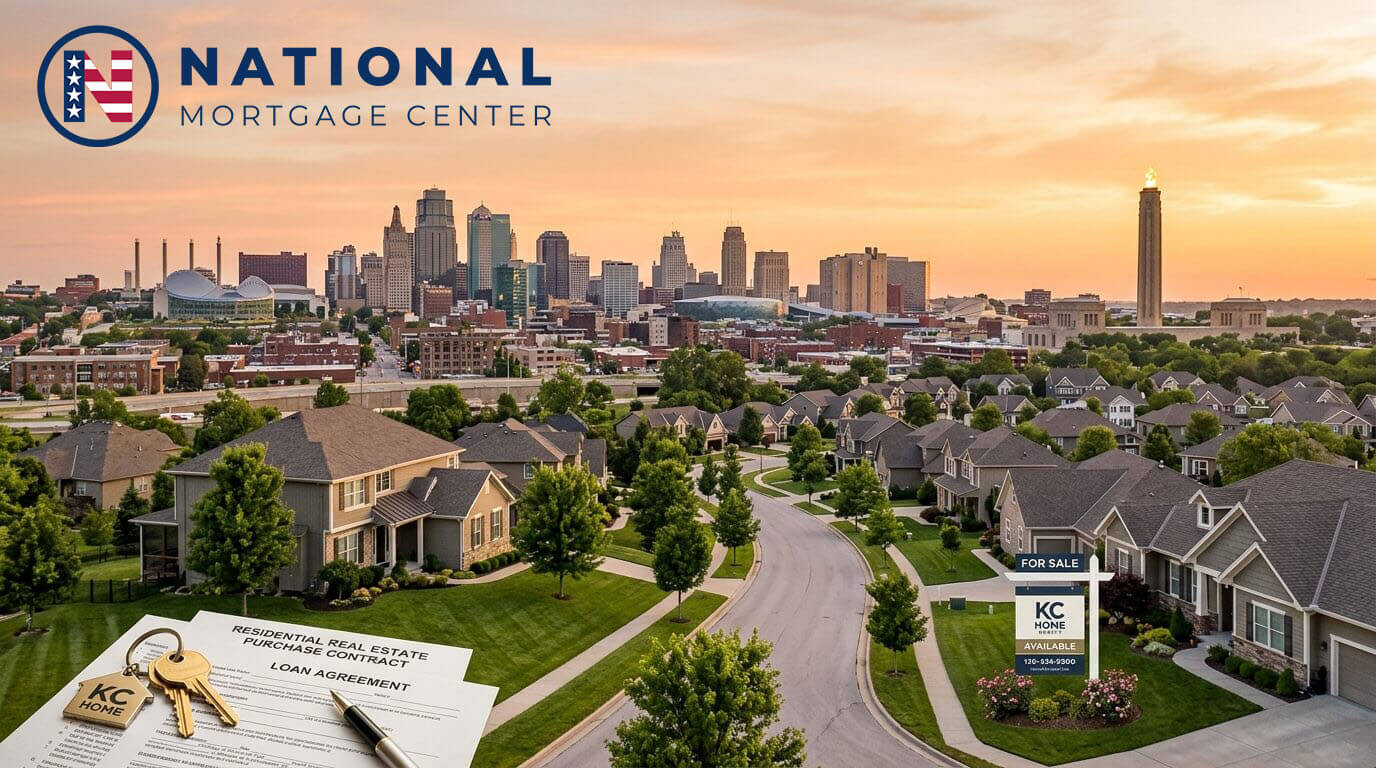
Kansas City Housing Market: How Big Is the Mortgage Market in 2026?
Kansas City housing market data for 2026: home sales, mortgage demand, VA loan activity, and what buyers should know before choosing a lender.
4 min read

VA Loans
How to Get a VA Construction Loan: A Step-by-Step Guide for Veterans
Step-by-step 2026 VA construction loan guide for veterans: eligibility, one-time close process, builder requirements, costs, and common mistakes to avoid.
9 min read

Investment Property
Top 5 Reasons Real Estate Investors Choose DSCR Loans in 2026
Learn why investors use DSCR loans in 2026, how DSCR is calculated, qualification requirements, common mistakes, and how to scale a rental portfolio with rental-income qualification.
6 min read